How Abacha Poisoned Abiola, Killed Yar’Adua with A Virus Injection, And How I Escaped His Plot to Inject Me Too- Obasanjo Revealed
By AdminAugust 17, 2026
Former President Olusegun Obasanjo has alleged that late military ruler Gen. Sani Abacha plotted to kill three detained political figures in the 1990s, naming himself, Chief MKO Abiola and Gen. Shehu Yar’Adua as the targets.
Speaking during a recent interview, Obasanjo said Abacha told “a number of people that three of us would not come out of detention and prison alive.” He claimed the plan was carried out differently for each of them. On Yar’Adua, he said, “what they did to Shehu Yar’Adua, obviously, they injected him with virus.” On Abiola, he said, “I think MKO Abiola, they gave him something in his tea.” And on himself, he said, “In my own case, they tried to inject me.”
Obasanjo recounted an incident at Jos Prison where a doctor took him from his cell to a guest house in Jos GRA and said they wanted to take his blood to treat a cholesterol problem. “I said, no, I have no cholesterol problem, which is true. I was diabetic, but I take my blood sugar reading almost on a daily basis,” he said. He said after he refused, the doctor could not proceed.
He said he was later flown at night to Yola. The next day he asked to see a doctor at Yola General Hospital and was attended to by Dr. Ajuwon, whom he described as a fellow Baptist. According to Obasanjo, when the request to take his blood came again, he insisted Dr. Ajuwon be present. Dr. Ajuwon told the other doctor he would handle the blood collection himself and asked when results would be available.
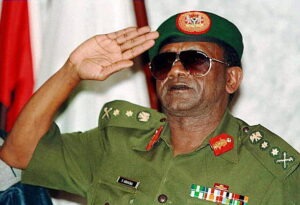
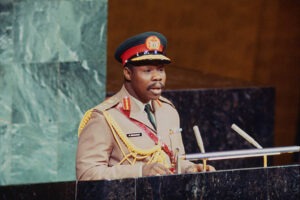
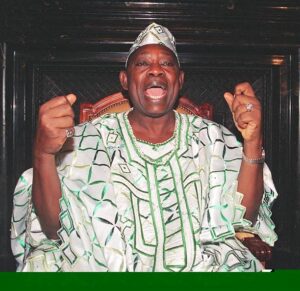
Former Nigeria Head Of State, Sani AbachaEx Nigeria President, Olusegun ObasanjoLate MKO Abiola
Gen. Sani Abacha ruled Nigeria from 1993 until his death in June 1998. During that period Abiola, winner of the annulled June 12 1993 presidential election, and Yar’Adua, former Chief of Staff, Supreme Headquarters, were both detained. Abiola died in custody in July 1998 shortly after meeting with a US delegation, and Yar’Adua died in prison in December 1997. Official accounts at the time cited natural causes related to illness. Obasanjo was also detained by the Abacha regime and was released after Abacha’s death in 1998. He later served as civilian president from 1999 to 2007.
Obasanjo did not provide documentary evidence for the allegations in the interview, and there has been no immediate response from the Abacha family to the comments. The claims are likely to reignite debate over events of the Abacha era, a period still widely discussed in Nigeria’s political history