
Fubara Signs Rivers 2026 Budget Into Law, Hails It As ‘Breath Of Fresh Air’ For Development
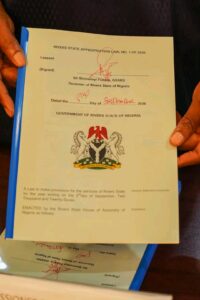
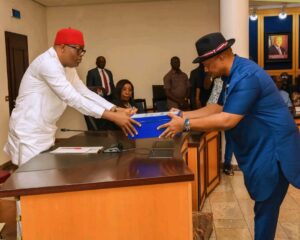
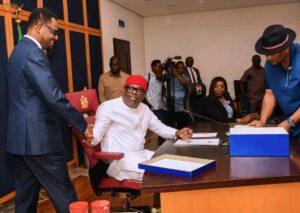
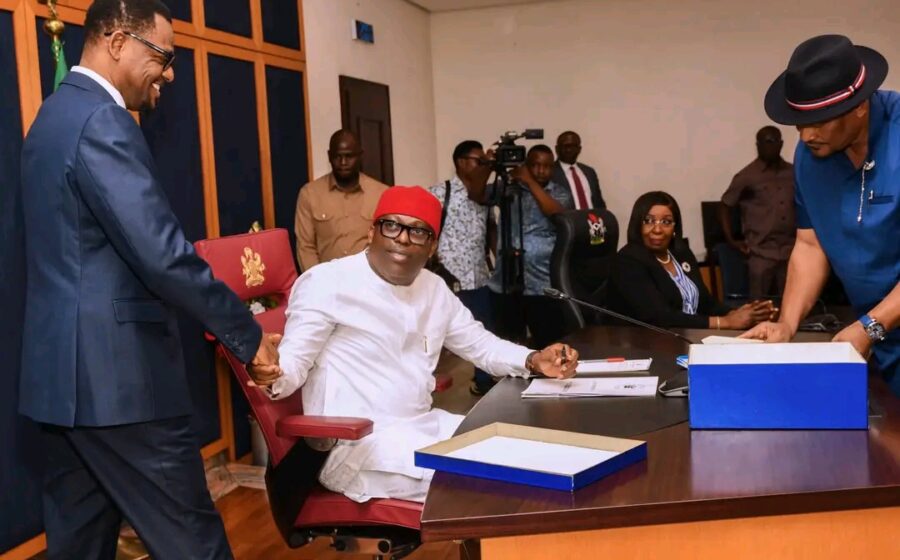
Rivers State Governor Siminalayi Fubara has officially assented to the 2026 Appropriation Bill, calling it a “breath of fresh air” for the state.
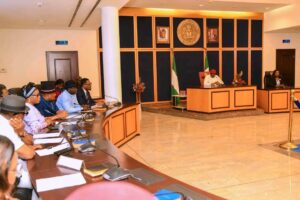
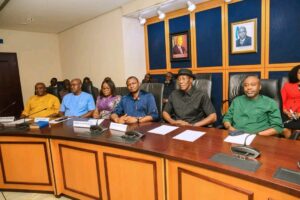
The signing took place on Thursday at the Executive Council Chambers of Government House in Port Harcourt.
Governor Fubara said the new fiscal plan marks the start of stronger collaboration and renewed progress across Rivers State. He reaffirmed that his administration remains committed to projects that drive growth, and promised the House of Assembly a smooth working relationship moving forward.
He thanked God for the milestone and described it as the beginning of a healthier partnership between the executive and legislature.
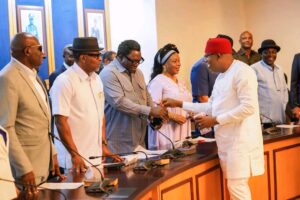
The Governor also credited former Governor and current FCT Minister Nyesom Wike for helping to broker the meeting that paved the way for the bill’s passage and assent.
Presenting the bill earlier, Majority Leader Major Jack described the proposal as an ambitious plan. He said lawmakers carried out detailed scrutiny with the goal of ensuring the budget delivers real growth for residents.
Speaker Martin Amaewhule explained that the final figure was not passed exactly as presented. The Assembly reduced the proposed ₦6 billion allocation to PAMO University of Medical Sciences, a private institution where Rivers students have received state scholarships since the last administration.
According to the Speaker, part of that money was redirected to the State Primary Healthcare Development Board. The decision followed the university’s failure to explain how previous funds were used and its absence from the Assembly’s hearing.
Amaewhule said the cut reflects the Assembly’s duty to enforce accountability and transparency in public spending.
Lawmakers had earlier passed the 2026 estimate, tagged the “Budget of Resilience for Growth and Development,” on Thursday.
Governor Fubara originally presented a total of ₦1,854,248,734,475.76 to the House in July. That figure is 24.5 percent higher than the revised 2025 budget.